Buying Guides
Sourcing a Microneedling Pen from China | What I Check
Some practical things I found worth checking when sourcing microneedling pens in China, from factory background and cartridges to customization, documents and samples.
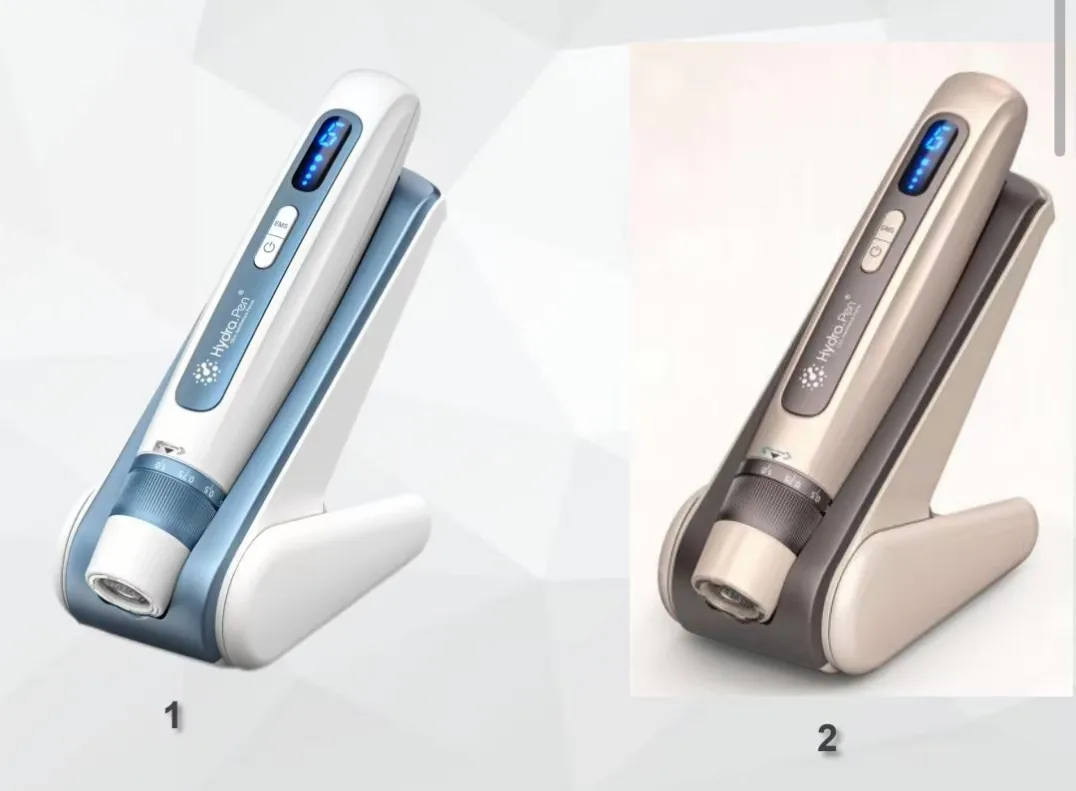
There are actually a lot of options. Different designs, cartridges, prices and customization options. Finding someone who can sell you a microneedling pen is easy.
The harder part is finding out whether the supplier can actually meet your requirements.
And I’ve found that the best questions often don't come from a supplier checklist. They come from what the buyer is worried about — problems they’ve had before, documents they need, or a small product detail that really matters to them.
Here are a few things that came up while I was working on this product.
Is it really a factory?
This is usually one of the first questions.
I don't think a trading company is necessarily a problem. I just want to know who I'm dealing with and who is actually making the product.
For one supplier, I arranged a video meeting and asked the salesperson to show me their showroom. I also checked their company information separately.
There were two company names involved, which looked a little confusing at first. After checking, I found that both companies had the same legal representative.
This is the kind of thing I like to clear up early.
If different names appear on the quotation, certificates, bank account or packaging, ask why. There may be a perfectly reasonable explanation, but it's better to understand it before placing an order.
“We have FDA” doesn't tell me enough
This came up very quickly.
The supplier had several microneedling pen models and mentioned FDA, CE, RoHS and ISO 13485.
But when I asked about the exact model, the answer became more specific.
One model had FDA-related documentation according to the supplier, while another model was being sold as a cosmetic beauty tool and did not have the same FDA status.
That's a big difference.
So now, when a supplier says they have a certain certification, the next question is simple:
Is it for the exact model I'm buying?
Then I want to see the document.
This is especially worth checking if you're planning to put your own brand on the product. Adding a logo is easy. Whether the existing documents still work for your product and market is a different question.
The cartridge turned out to be just as important as the pen
At first, most of my attention was on the device.
Then we started discussing the cartridges.
The supplier had 12-pin, 24-pin, 36-pin and nano options. But there was also interest in a 42-pin cartridge, which they didn't make.
Could they develop one?
Technically, maybe. But they weren't interested in doing it because they didn't see enough market demand.
This is a good example of why I don't put too much weight on the phrase “OEM/ODM available.”
A factory may be happy to change the color, print a logo and make a box. That doesn't mean they'll change the actual product for you.
I think the better question is:
Can you make this specific change, for this quantity?
The cartridges also had their own MOQ, packaging, shelf life and sterilization requirements. So even if the MOQ for the machine works for you, the consumables may be a different story.
One small part can change the whole customization plan
There was another small detail I found interesting.
The device could be made in a custom Pantone color, and adding a printed logo was straightforward.
But one small plastic ring would normally stay white.
Why?
Because changing that little part would require mold customization, and the cost wouldn't really make sense for the order.
This happens quite a lot when sourcing customized products from China.
A supplier says:
“Yes, custom color is available.”
But that may mean the main housing, not every single component.
So when appearance matters, I like to go through the product piece by piece instead of just asking whether custom colors are available.
I asked more about the cartridges
The supplier initially told me the cartridges were sterilized.
But that's not really enough information, so I asked how.
Their standard option was described as UV sterilization. EO sterilization could also be arranged separately, with an additional charge and a corresponding report.
That changes the conversation.
The same applies to the packaging. I wanted to know whether it showed the batch number, production date and expiration date, and what the shelf life was.
These aren't the first things you notice when looking at a product photo, but they're the kind of details that become important later.
And because cartridges are consumables, I also look at their price and MOQ separately from the machine.
A cheap machine with expensive or inconvenient consumables may not be such a cheap product after all.
A one-year warranty sounds good, but then what?
The supplier offered a one-year warranty.
My next question would be: What actually happens if something breaks?
In this case, the process was to provide photos and videos of the problem first. Their after-sales team would review the case and then propose a solution.
That's useful to know.
When comparing suppliers, I think it's better to understand the actual after-sales process than simply compare “12-month warranty” with “18-month warranty.”
The same goes for payment.
For customized production, this supplier asked for a 50% deposit and the remaining 50% after the goods were completed.
The percentage itself isn't the only thing I care about. I also want to know whether there is an opportunity to check the goods before paying the balance.
I would still start with samples
Even after checking all of this, I wouldn't jump straight into customization.
I'd get the standard samples first.
See how the device feels. Try the cartridges. Check the charging, packaging and accessories. If it has a serum reservoir, see how well that actually works.
There is plenty of time to talk about Pantone colors and custom boxes after the product itself has passed the test.
This sounds obvious, but once everyone gets excited about branding, it's easy to spend too much time discussing what the product will look like before confirming whether it's actually the right product.
This is really what I'm looking for when I source a product
Price matters, of course.
But I don't think sourcing is simply about finding the factory with the lowest quotation.
A supplier might have a good price but not the cartridge you need. Another may have the right product but not the documents required for your market. Another can customize almost everything, but only at a quantity that doesn't make sense for a new brand.
So the question I'm trying to answer isn't:
“Is this a good supplier?”
It's:
“Can this supplier solve what this buyer actually needs?”
That's also why I pay attention when customers keep asking the same question, mention something that went wrong with a previous supplier, or worry about a particular detail.
Usually, that's where the real sourcing work starts.
If you're looking for a microneedling pen or another beauty device in China, you can send me what you're looking for — and also what you're worried about.
I'll know what to ask the supplier.